LNG Carrier Lifecycle: How the Right Specialists Keep Projects on Course in Asia and across the world
2025-12-11T07:19:00Z
Oil and Gas
Oil and Gas
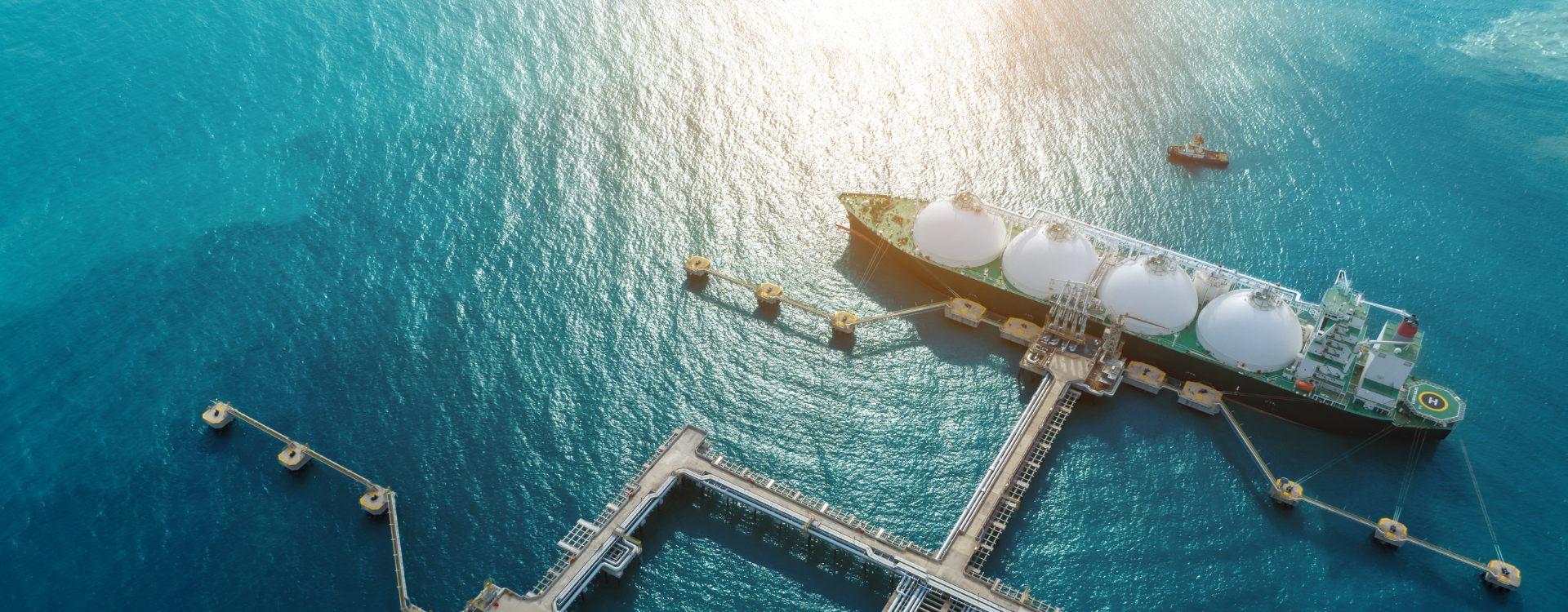
Behind every LNG carrier lies a blueprint of precision, safety, and global collaboration. Constructing, converting, or delivering an LNG (Liquefied Natural Gas) carrier isn’t just a technical achievement; it’s a carefully timed orchestration involving multiple contractors, vendors, and compliance bodies. We break down the LNG carrier lifecycle stage by stage, spotlighting the key specialists involved and how Brunel delivers support across Southeast Asia and beyond.
With more than 50 years of experience in the oil & gas industry, we understand that each stage, from concept design to decommissioning, brings its own challenges: talent shortages, shifting regulations, tight schedules, and escalating project complexity. For project contractors, main contractors, and specialist sub-contractors, securing the right capabilities at the right time is critical to staying on course.
The design phase is where safety, efficiency, and cost-effectiveness are engineered into the vessel from day one. Thus, any design delays can potentially trigger a domino effect downstream. Key players in this phase include naval architects, cryogenic engineers, and marine propulsion specialists, all of whom must work within evolving classification requirements.
Designing LNG carriers requires expertise in membrane containment systems (such as GTT NO96 or Mark III), Moss-type spherical tanks, and the integration of dual-fuel propulsion systems. With decarbonisation and digitalisation reshaping vessel specifications, the demand for engineers familiar with CFD modelling, boil-off gas handling, and class documentation has increased significantly.
GTT’s NEXT1 containment system received class approval in 2024 from Lloyd’s Register and Bureau Veritas, showing how quickly LNG design standards are advancing (LNG Prime).
Click here for new vacancies
Tight schedules, limited yard availability, and a shortage of certified technical personnel often delay construction handovers. EPC companies and contractors need access to project engineers, welding inspectors, and commissioning teams who understand the pace and precision LNG builds demand.
Brunel’s presence in key shipbuilding markets, such as China and South Korea, is compliantly positioned to support main and subcontractors, supplying certified professionals across hull fabrication, cryogenic piping, and integrated commissioning teams, ensuring compliance with the IMO’s IGC Code and class requirements.
In 2024, LNG-fuelled vessels grew by 33% globally, adding pressure to downstream operations and infrastructure demands (DNV Maritime). This growing demand may have contributed to the spike in LNG carrier orders at South Korean shipyards in 2025, resulting in a ripple effect on labour availability across the region (Chosun Biz).
Once the carrier enters service in places like Singapore or Indonesia, performance shifts into the hands of marine engineers, technical operators, the maintenance team, and onboard crews, who manage propulsion, boil-off gas, and regulatory compliance.
At Brunel, our strength lies in supporting the critical phases that lead into operations. We understand the end-to-end demands of the vessel lifecycle; our teams are equipped to deliver project personnel who not only meet build-phase requirements but also anticipate the operational realities that follow.
With tighter emissions regulations and changing energy strategies, LNG carriers are increasingly being converted for new functions, such as FSRUs, FSUs, or low-carbon fuel platforms. These complex mid-life projects often involve installing boil-off gas recovery systems, upgrading dual-fuel propulsion systems, or enabling ammonia readiness.
Behind these upgrades are multi-disciplinary teams:
Brunel supports clients by embedding compliance and documentation professionals as part of integrated Construction Management Teams (CMTs), ensuring design changes align with evolving regulatory standards and project execution stays on track.
In 2023, Lloyd’s Register, Knutsen, Korea Shipbuilding & Offshore Engineering (KSOE), and Hyundai Heavy Industries (HHI) launched a Joint Development Project (JDP) to measure carbon emissions across the entire lifecycle of an LNG carrier, highlighting the growing importance of sustainable end-of-life management.
The dismantling and recycling of LNG carriers require coordinated expertise from HSE engineers, environmental specialists, compliance officers, and surveyors to ensure full adherence to IMO recycling codes, IGC protocols, and ESG reporting standards.
Building on our experience in Project & Consulting Solutions, Brunel’s team can extend their support into this final phase, working alongside clients and classification bodies to manage documentation, audit readiness, safety compliance, and project risk assurance throughout decommissioning.

Brunel delivers project-ready professionals across design, construction, and consulting, so you stay on time, on scope, and compliant.